
Education must learn from our collective pandemic experience!
The most significant growth isn’t about how to master online learning, redefine delivery models, be more techie, or assess more authentically. The most important learning isn’t even about equity or effectively considering vulnerable populations. Certainly, all of those learnings are important.
The truth is, however, education must learn how to be fundamentally more adaptable.
Our systems, mindsets, policies, leadership, PACs, hierarchies, and philosophies must support change-making. Education hungers for change.
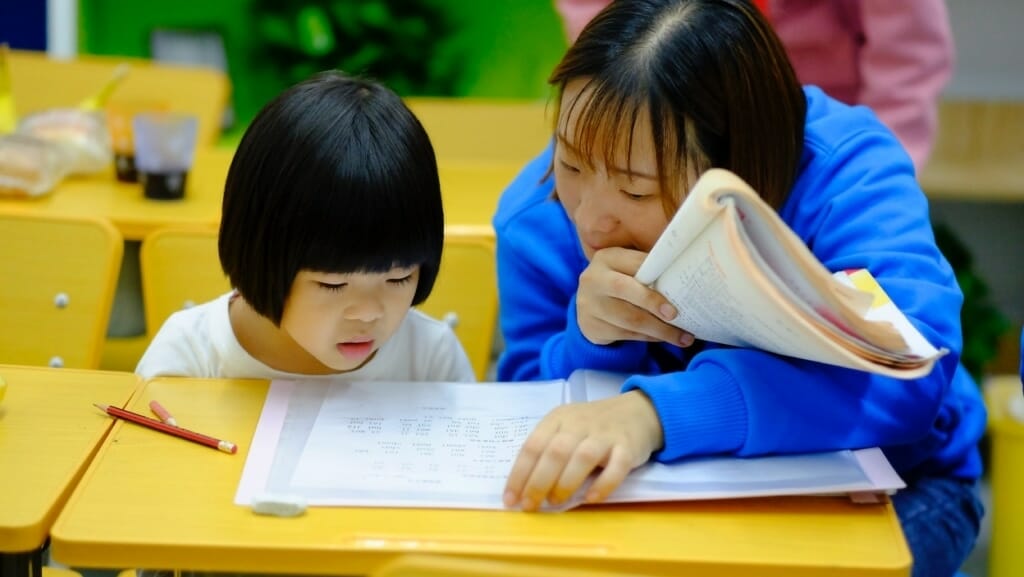
But, we have to do it differently. Teachers and local school leaders must lead the change. Parents and students must be ready for change. Unions have to get out of the way. Furthermore, district leaders must give away power to keep their jobs. We need change-ready schools.
We are in the age of acceleration. Education must move along. You can find more Learn Forward thoughts about “Acceleration” here:
As a result of the acceleration, we need Education to take up all-new ways of being, and the #1 competency for students, parents, teachers, schools, and school leaders will be: adaptation. We must adjust quickly to consistently become better versions of ourselves, collectively. For some ideas on what might need to change in the near future, please check out my blog series called “The Trajectory of Education.”
But HOW!?!
How can a school community, system of schools, or institution as entrenched as education become adaptable? I argue, one school at a time. From the grassroots up! School change isn’t working from the top down.
“We need not just a radical, alternative vision of what is possible,
but also smart strategies that help make change in education happen.”
~World Class – How to Build a 21st C. School System, Andreas Schleicher
Schools need to become change-ready. Systems need to empower change.
Like never before, we just transformed education on a dime. We see change-making in schools in profound new ways.
The following principles are helping our Learn Forward school adapt quickly and continue effectively serving students and families amidst the tumult.
1. Attachment to Adults Who Care
We believe the parent is a child’s first teacher. We also believe an educator has the privilege of joining with the parent on that journey of unfolding a student’s potential. Therefore, we are all at the Table of Learning together. We were always partners, even before COVID-19 was a household medical term.
Also, sometimes the educator is all the child has. For vulnerable children, we must have teachers who know and see each individual student. That’s easier in smaller contexts, but not impossible in any context. So, let’s design schools for this!
Then, that teacher must be resourced and supported to do all he/she can to help the child survive. In that way, our work is becoming more human-centered, even as we are working remotely.
Fundamentally, for survival, a child needs an attachment to an adult who cares. Because sometimes lunch is the most important thing school offers, let’s get clear about how to do it well. I know it’s a lot of responsibility, but it’s not going away.
We must be brave and hold our children close.
Photo by Sebastián León Prado on Unsplash
Photo by Nery Montenegro on Unsplash
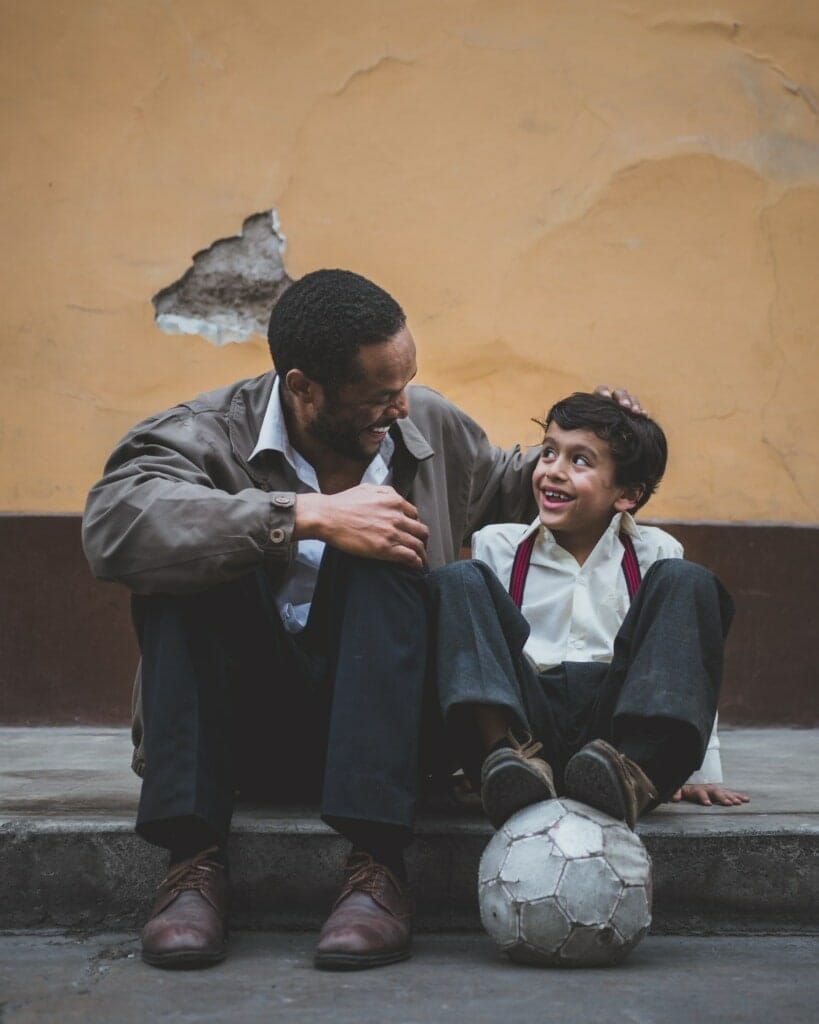 Photo by Sebastián León Prado on Unsplash
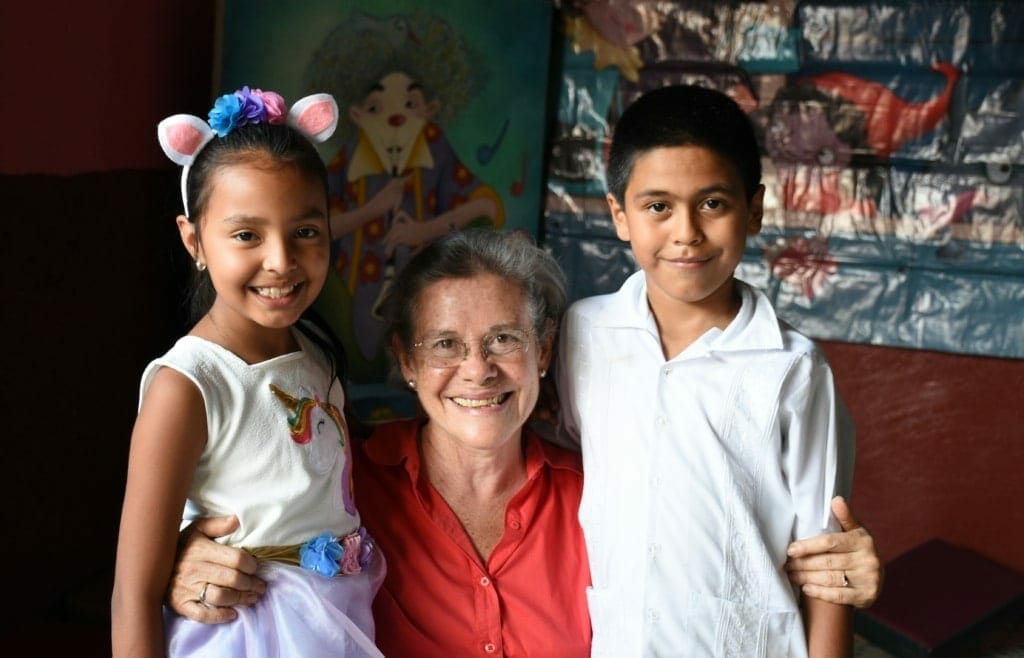 Photo by Nery Montenegro on Unsplash
2. Commitment to Nurturing Powerful Learners
Being committed to nurturing powerful learners means being dogged in applying research. To lead in education, one must be well-read and actively apply the best thinking about teaching, learning, and leading. I don’t just mean Principals. Everyone. At our school, we are constantly asking, “What is best practice?”
Our philosophy leans into the Reggio approach to teaching and learning. Since discovering and implementing this approach in 2012, we’ve become more project- and process-based, dramatically expanded our definitions of evidence of learning, unlocked wonder and imagination inherent in our work, and fundamentally promoted the competency of the child.
As soon as our school closure announcement happened, we leaned into experts who guided us in new applications of this thinking.
Furthermore, because of our beliefs about teaching and learning, years ago, we implemented FreshGrade, taking our assessment and reporting far beyond tests and scores. Currently, this serves us because tests and scores aren’t possible, nor recommended.
Additionally, we know the power of rituals to ground us amidst change. So, we have rituals for collecting children at the beginning of the day, rituals for learning, and rituals for reflecting on learning. All of these have translated into our virtual spaces because they’re essential amidst the rollicking.
Every day, our entire focus is to champion the extraordinary potential of every child.
3. Culture of Adaptation
Finally, our change readiness is a culture. We believe in a healthy school community, committed to wellness for all. While we are imperfect, we continue to reach for thriving.
We love feedback because we have a collective growth mindset. We always want to know how to improve, who is struggling, and how we can learn and grow to effectively support.
Our distributed leadership model empowers everyone on the team to continue to move forward even when we are standing on shifting sands. It isn’t easy. We still have work to do, but everyone pulls together for the sake of the children.
My dad used to say, “When the going gets tough, the tough get going.” That’s what happened in our school over the past 6 weeks.
Everyone rises. The collaboration is powerful and generous. Teammates support each other emotionally. Our team does the next right thing for students, even though it’s imperfect, all of the time.
Ultimately, we have a communal growth mindset. We whisper to each other,
We can do hard things.
We’re better together.
It’s okay if it’s messy, learning always is.
The whispers remind us that change is actually the safest choice.
What education needs to learn most is how to be change-ready!
You can help us explore change-readiness in education by participating in this brief (5min) survey.
For the sake of the children,
Karine Veldhoen