
I am holding the results of standardized tests in my hands. I’m trying to make sense of it as an educator and mother.
Throughout North America students are being ‘tested’ and measured against standards. Then, students, schools, and districts are compared against each other. Some become coined the ‘successful’ and others not. At the end, we all hustle harder to get into the right category.
Over the past weeks my own students and children are being tested.
My students are taking FSAs and CAT-4s here in British Columbia. My daughter took the SATs yesterday. My son has the AP English exam coming up. Provincials were just weeks ago. We aren’t getting away from it. It is everywhere.
We live in the paradox between accountability and nurture. We live in the paradox between high academic expectations and the wholesome, organic journey of a child.
These four perspectives help me hold both so I can Learn Forward:
1. Parents and Educators must cultivate courage.
Children are more than the results of a standardized test and so are we!
Because we know we are more, we can courageously use the results as a tool, a hint, a window of insight into the child or learning community without over-identifying, labelling, or categorizing. We can use it to empower, rather than to blame. We can reach into our hearts to find the treasure map of progress.
I can tell you that if my child, my classroom, or my school is ‘not yet meeting’ in any area on a test, it would be my invitation to pour energy into that arena of development. I would link arms around the table of learning, gather ideas to address the area of concern, build practices into my home or learning community, and choose hope rather than blame!
It doesn’t have to be about comparison or achievement. It has to be about wanting the best for the children! As we pour from a pitcher of love, the children will respond.
I love the quote from the author Avi,
“If you can convince your children that you love them,
then there’s nothing you can’t teach them.”
2. Embrace the paradox of ‘My head in the clouds and my feet on the ground.’
Early in my mothering career I adopted this stance. I’ve written about it in my weekly journal before. When it comes to the children, I always want my head in the clouds and my feet on the ground.
It’s my way of describing the paradox of both hope with HIGH expectations and accountability WITH the reality of the journey we are on with limitations and challenges. We have to hold both for the sake of the children. Teachers and parents, most of us only have weeks left in this school year. Let’s believe the best, push hard towards success, and be honest about each child and where they are developmentally. There will be unfinished work and that is normal.
3. Success is about a whole child!
The little birds in our hands are human beings!
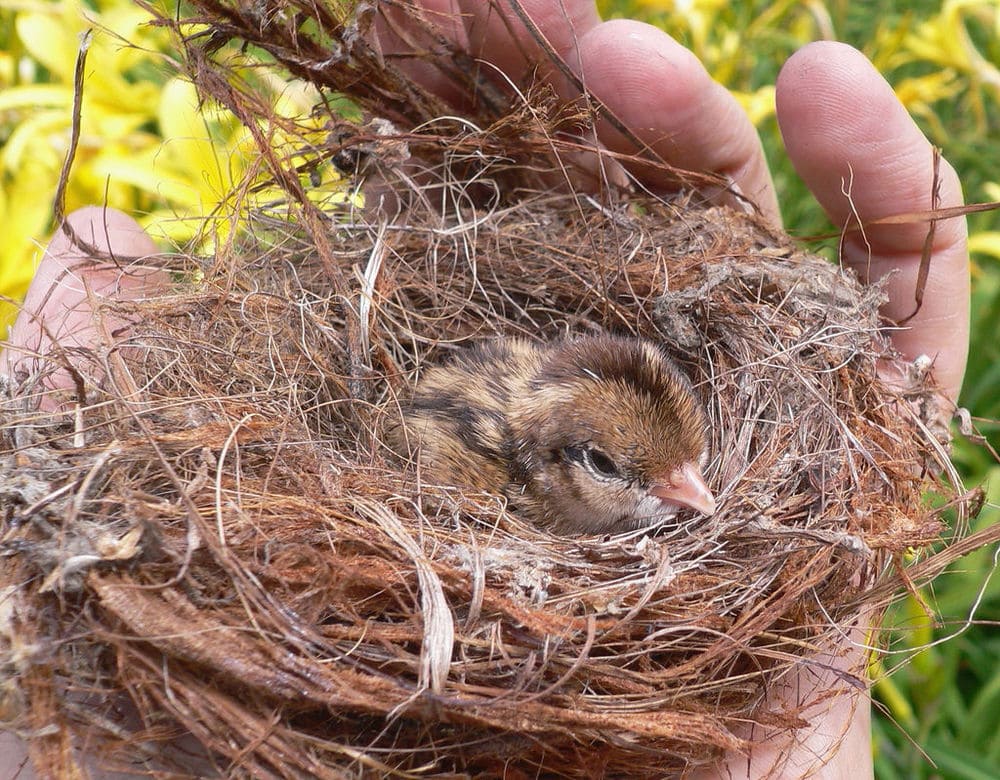
When I read standardized test scores for my child, my student, my classrooms, schools, or in the newspaper, I realize it is only one slice of the assessment pie. The conversation doesn’t end at the numbers, the hierarchies and the comparisons.
There are whole children, whole classrooms, whole schools, and whole families behind those numbers that cannot, and some would say should not, be quantified. They are whole.
There are little lights of brilliance in each child and we MUST believe that truth! It doesn’t matter what the numbers say, it matters what our hearts whisper. Look at our children, discover the magic in each one.
4. Cultivate peace.
It won’t help the children if we are all fighting over what is best for them. We must cultivate peace. We must choose the discipline of optimism, ask powerful questions, and stand courageously together.
“Fill the earth and space with recitals of peace.” ~Anwar Sadat
We must solve these issues with a different mind than what created them. We each must take responsibility for changing our mind. A mind of peace not fight must prevail; as if we are holding a little bird.
Standardized testing may not go away during the school years of our children…let’s Learn Forward into understanding the process with a new mind.
What can we learn from the standardized testing results we have in our hands today? What can we learn from the little birds we hold in our hands forever?

For the sake of the children,