Every child wants to belong. We need to include them. How can we open our hearts with a vision to see the gifts of every child?
There’s a clue in the Story of the Cracked Pot, told by Kevin Kling, is transcribed here by OnBeing,
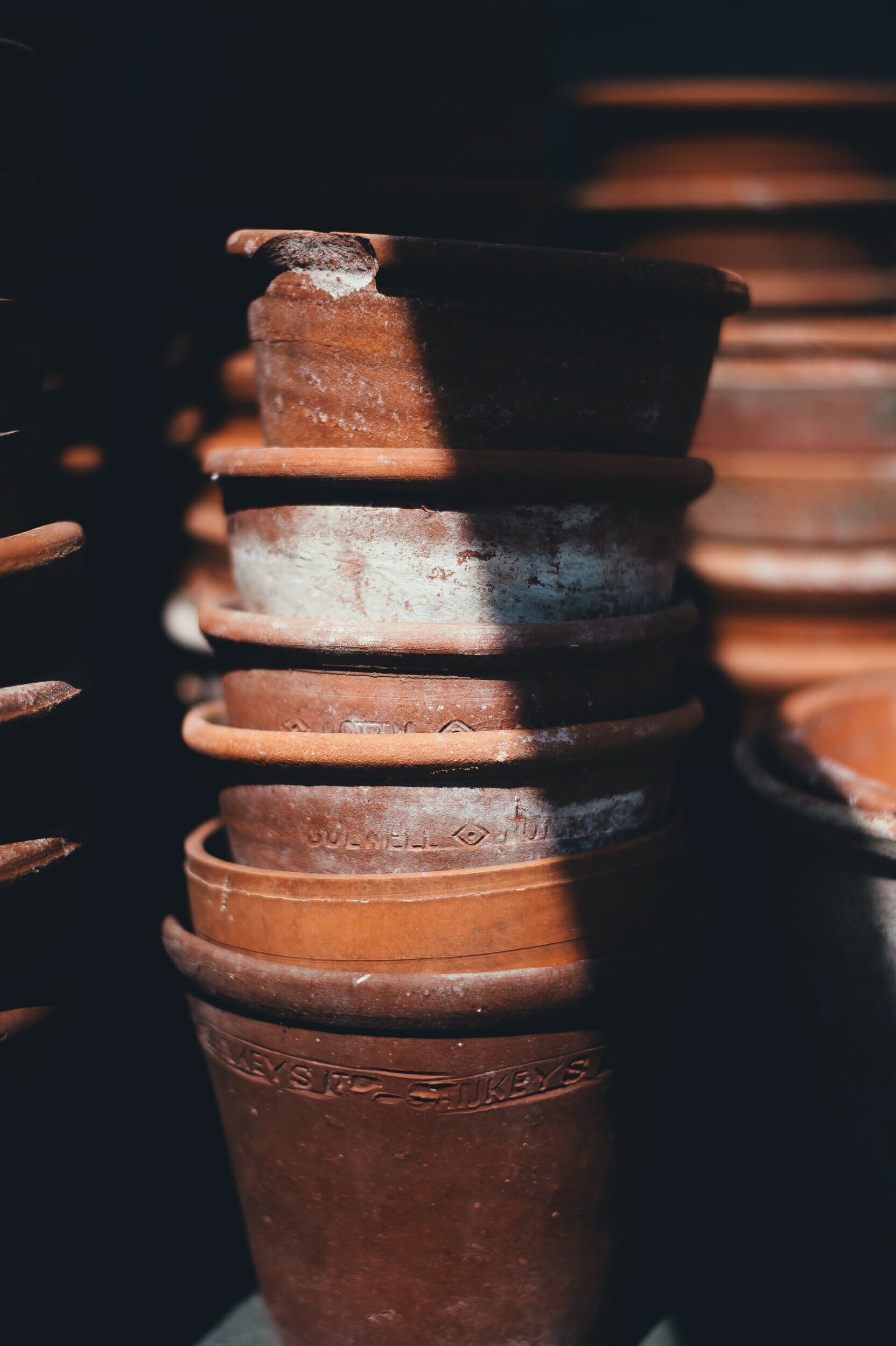
Back in the days when pots and pans could talk, which indeed they still do, there lived a man. And in order to have water, every day he had to walk down the hill and fill two pots and walk them home.
One day, it was discovered one of the pots had a crack, and as time went on, the crack widened. Finally, the pot turned to the man and said, “You know, every day you take me to the river, and by the time you get home, half of the water’s leaked out. Please replace me with a better pot.’
And the man said, “You don’t understand. As you spill, you water the wild flowers by the side of the path.’ And sure enough, on the side of the path where the cracked pot was carried, beautiful flowers grew, while the other side was barren.
“I think I’ll keep you,” said the man.
The cracked pot appears useless. It doesn’t serve its function. The pot needs to be replaced. The pot sees it’s own dysfunction. Its brokenness is spilling all over. It makes mud. It splashes on me.
Yet the man collecting water, carrying the pots, uses a different metric for success. He changes the definition of achievement for the pot. He doesn’t just tolerate the broken one, he cherishes its gift.
He trains his mind to focus on the goodness. It isn’t denial. He realizes the pot is broken. It just is a different value system.
He sees the flowers…
The gift the pot offers…
The beautiful gifts of each human being, spilling over into our lives.
Let’s train our minds to see, to cherish, and to call out the best.
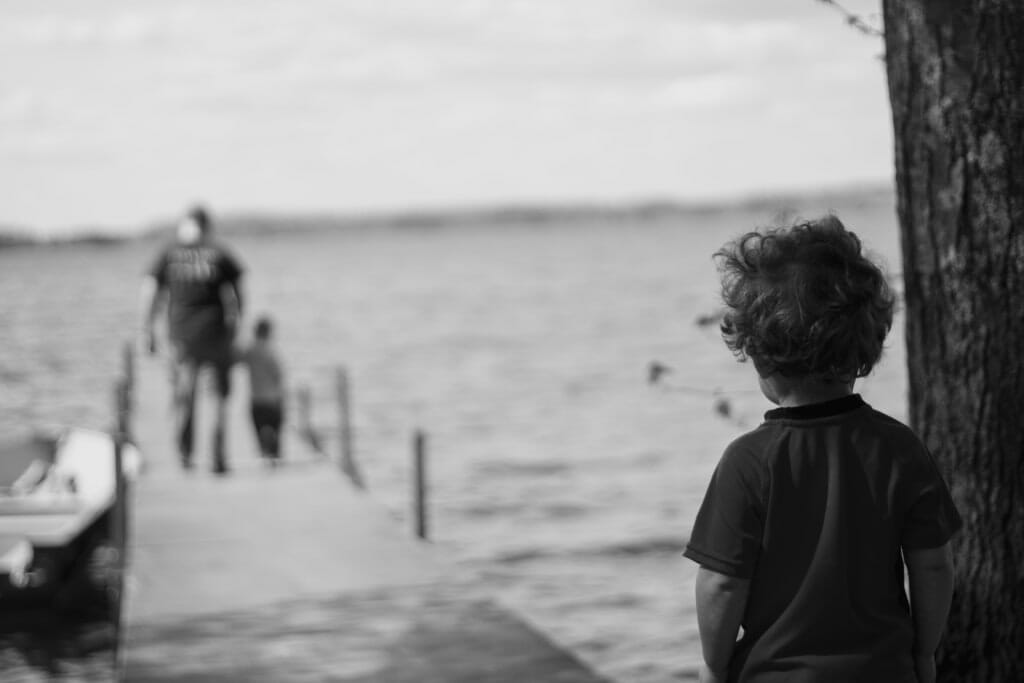
When our son, Daniel, was little, communication and socialization were difficult. He couldn’t keep up with the other children physically either. So, as a result, he often did solitary activities. During those times of aloneness, he studied. I don’t mean he studied for school. I mean he designed a learning inquiry based on interest and then developed a huge body of knowledge.
But, it didn’t end there. As his thinking matured and developed, he was able to analyze and synthesize information in new and interesting ways. His insights and written content offered thoughtful contributions to the knowledge base.
We could see his strengths. Eventually, we could see his contributions. We could focus on a place of authentic beauty.
“Leaning into those strengths means I require fewer and fewer accommodations?” reminds Daniel. How can we define and lean into a child’s strengths? This is such a challenge for me! I see the deficits so much more easily. I move to intervene, support, fix, and improve. Do you? How can we evolve into a strengths-based approach?
What is the balance between supporting and scaffolding for the broken parts versus focusing on the abilities, gifts, and talents? Is there a way to tend to both of those gardens?
What I know for sure…
Being able to see a child’s strength is helpful for our hearts. Seeing the pot spilling water and the flowers growing makes us healthy. Being able to see a child’s strength includes them authentically. It is the only path to belonging.
Each child in our homes and classrooms is like that pot. They are yearning for us to see their strengths. They are yearning for us to give credence and validate the brilliance they offer. They want us to see and dignify.
Also, each one wants to feel the significance and worthiness of contribution. What does the spilling over offer the world?
How does each child contribute to the home or classroom? Do they help us change the metric?
As we start the new school year, can we design spaces where children feel included authentically? How can we move from tolerating a child to cherishing?
If nothing else, see their courage. Please, even in the brittle places, see their courage.
For the sake of the children,
Karine
PS For the bigger story of my son Daniel, his special needs, and our life together, order your very own copy of Learn Forward now.