

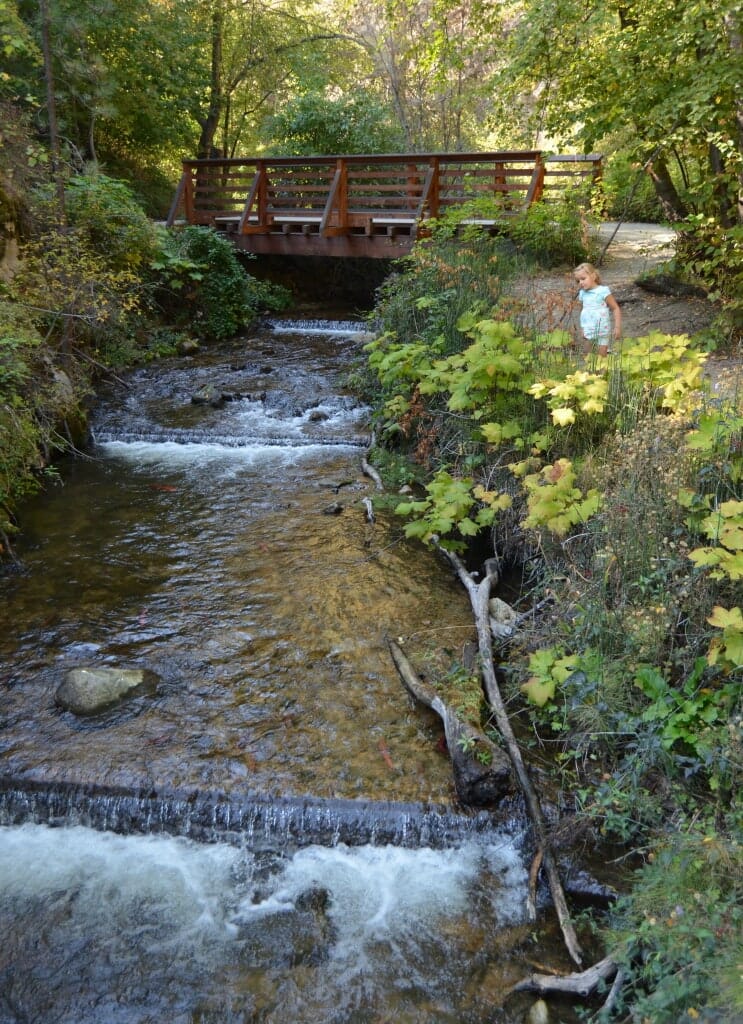
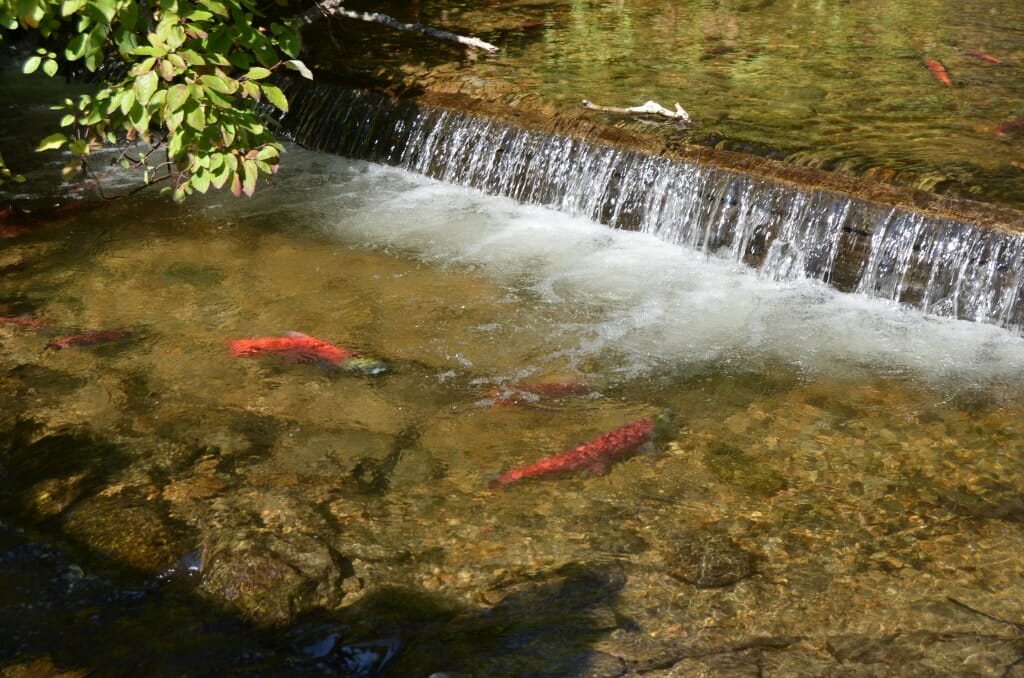
Recently we enjoyed a hike to see a fall miracle: Kokanee salmon spawning. The salmon swim upstream, jumping the locks to find the place of their birth and lay their eggs. Their colour even changes to a brilliant orange-red in a seeming celebration of legacy! It looks like an ‘impossible journey’ filled with bravery and strength.
Learn Forward helps us look ahead at ‘impossible journeys’ and courageously go forward with hope!
…even if we feel like a small fish in a big pond swimming upstream…
Parents and Teachers are embarking on a hopeful year of growth and development as school is beginning. The pressures are present, the schedules are demanding, and sometimes even the year of making lunches feels weighty.
Learn Forward allows us to make each experience a learning journey. We can start again. We can move forward with gentleness. It doesn’t need to be rushed.
As I spoke with new families at my school this week, I discussed the Learn Forward philosophy. Students, Parents, and Teachers working together at the Table of Learning to create the conditions for children to thrive. And, there are really practical ways we can help children thrive! I named only one for the new families at our school: the morning routine.
Talk about a upstream swim for me! I am generally a morning person, but I much prefer slower starts. I tend to procrastinate on what needs to get done and distracted by all that should get done. I really struggle with punctuality and over the last two decades the big kids can assure you, it hasn’t come naturally. It is really my own small, fall miracle when it goes well.
It’s how I know we can Learn Forward. I write my encouragement with the hope you can learn with me!
I think if we work together to establish healthy, functional morning routines focusing on our relationships and ensuring children arrive at school ready to learn, it will help us sustain the energy required for the upstream swim before us.
Here are some questions to help us consider our morning routines:
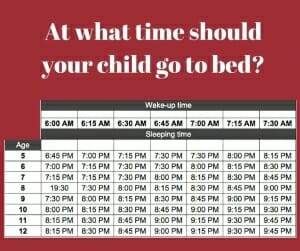
- Do you ensure you and your child are getting enough sleep to be fresh in the morning? Here is a chart to help.

- Do you have morning greetings and relational connecting points right at the beginning in your home or classroom? In our home we say “Good Morning,” ensure the children know we are ‘crazy’ about them, and often have cozy cuddles. The Builder and I leave 15min for a coffee to discuss the day. We sit down together for breakfast. We greet our child’s teacher, hug G at the door, and wish everyone a good day.
- What are the child’s responsibilities in getting ready for the day of learning? How often do you review those responsibilities and hold them accountable? The responsibilities should expand as your child ages.
- What routines are in place the night before to create success? We have learned we must get lunches made the night before. It’s easy to do during the dinner hour when we’re already working in the kitchen.
- What values are you modeling for your child or students? For example, are you enthusiastic about school? Do you communicate trust and confidence in the learning about to happen?
Clear ideas around timelines and responsibilities are helpful. Moving expectations into agreements and posting routines visually helps children. We keep it simple for our 4-year-old; she must get dressed, get her hair done, and brush her teeth. There are only three things, and with the exception of the pony tail, we are expecting independence.
You can see some of my proposed chore charts on my “Being a Mommy” pinterest board.
Arriving at school in an orderly way, with time for the child to connect with the teacher is essential to launch the day. Children who have difficulty regulating their emotions and sensory systems require even more intentional organization in their mornings.
Mornings are a time to illustrate how we can all connect and be intentional to Learn Forward!
For the sake of the children,
Karine