Schools, along with teachers, students, and parents, have a bold purpose of being a child’s primary experience of community. Can we expand the word “love” to describe our experience in schools?
I believe schools are the best positioned institution in western society to cultivate community. We have nurtured acceptance and inclusion within a context that is supporting both a child’s sense of selfhood and belonging. Schools are on the front lines of mental health, bullying, and poverty. Our schools are not shying away from the environmental crisis, the global tragedies, or the widening social injustice we see in our country. School leaders are standing strong amidst political crisis with hearts committed to seeing children thrive. Teachers are welcoming children and encouraging them to grow up with different mindsets.
Schools are places of love.
I want to expand the word “love” into our political climate, our public discourse, and our civil service. Our democracies must know that a child needs the experience of a loving and trusting community to ensure our sustainability.
I realize this isn’t about the practice of education or the philosophy of education, most of my perspectives are about the consciousness of education. We are in a new day where pedagogies and practices of promise are shaped by a new consciousness.
What have I learned about “love” to inform our cultivation of community in schools?
Love is found in the mundane.
Love isn’t always the romance of Hollywood or a tap dance in the park. Love is perfected in doing the dishes, picking up the mittens one more time, and playing a simple board game on Friday night. It isn’t glamorous or famous or sensational. It leaves wrinkled hands, in worn-out places, with sacrificial hearts. It is the same in our classrooms and our kitchens.
Love is found in our sense of connection.
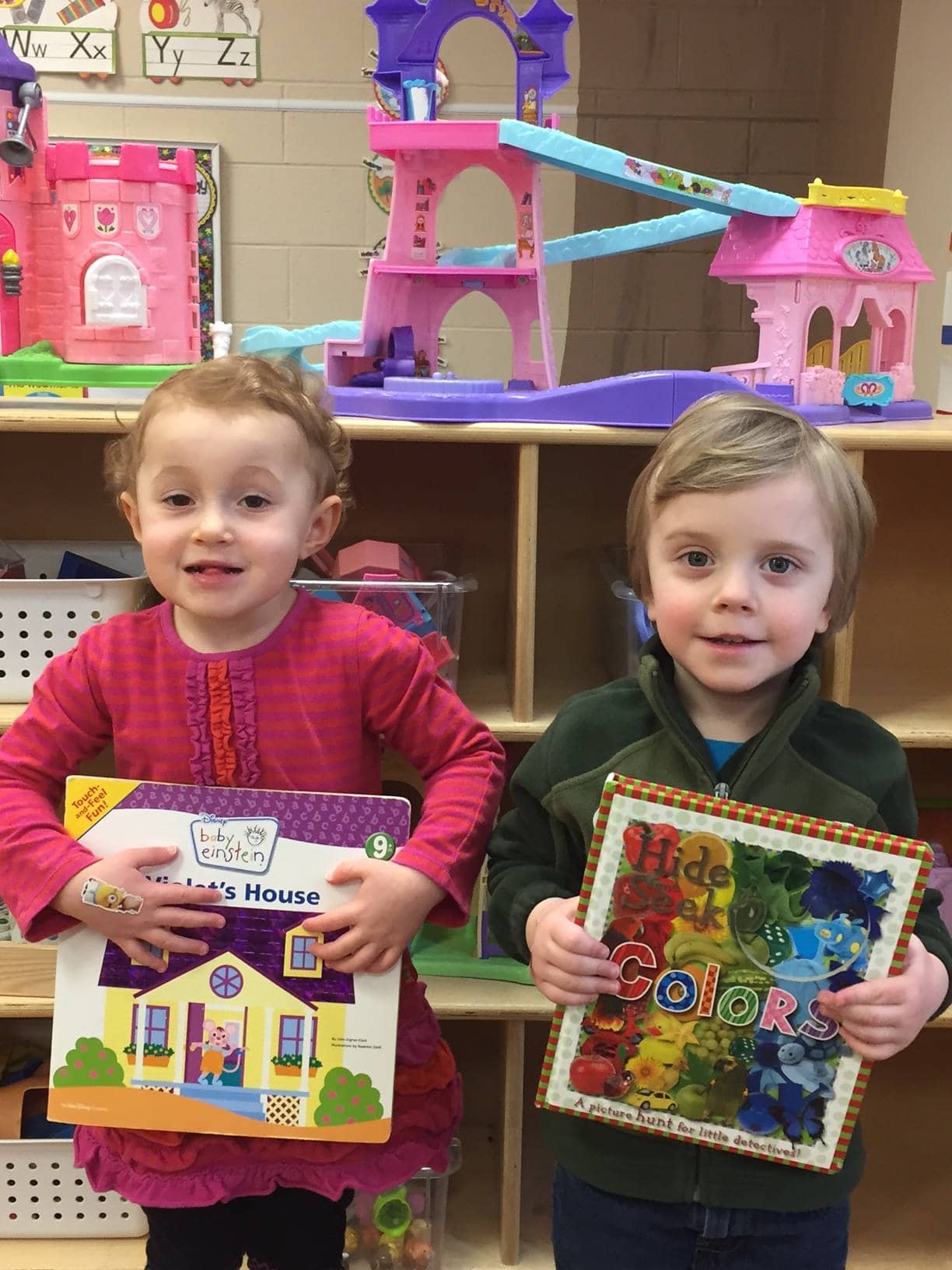
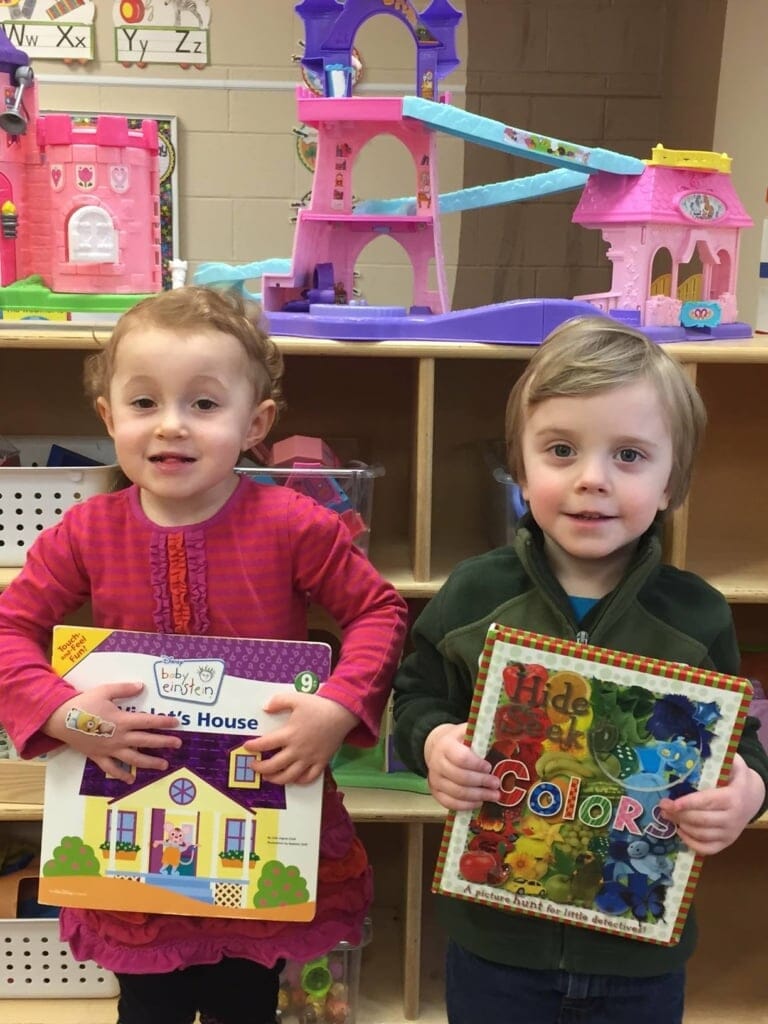
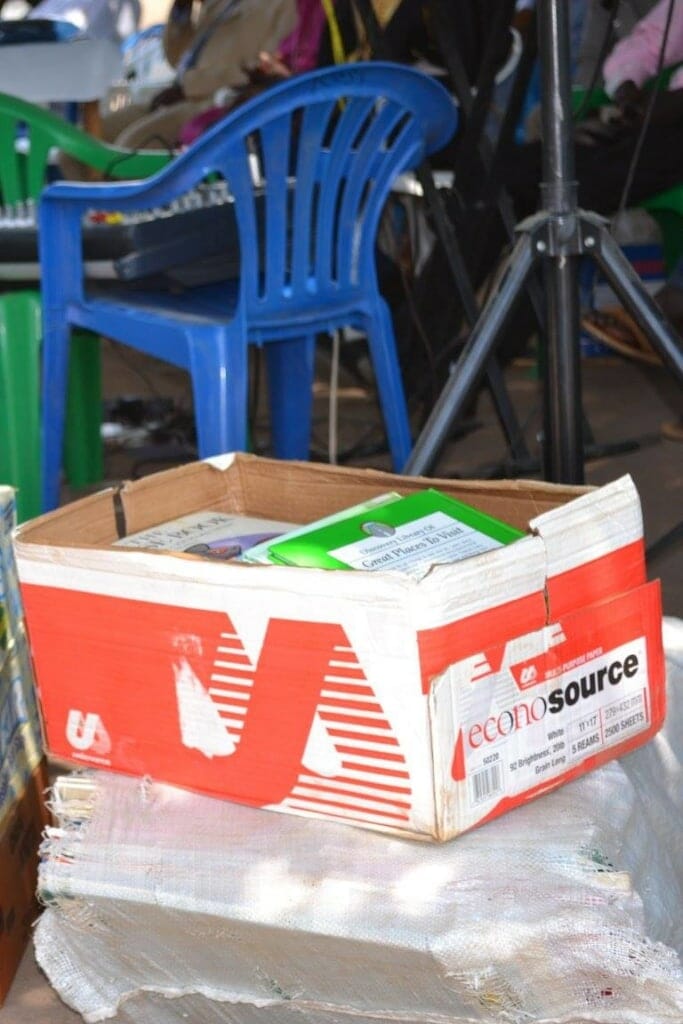
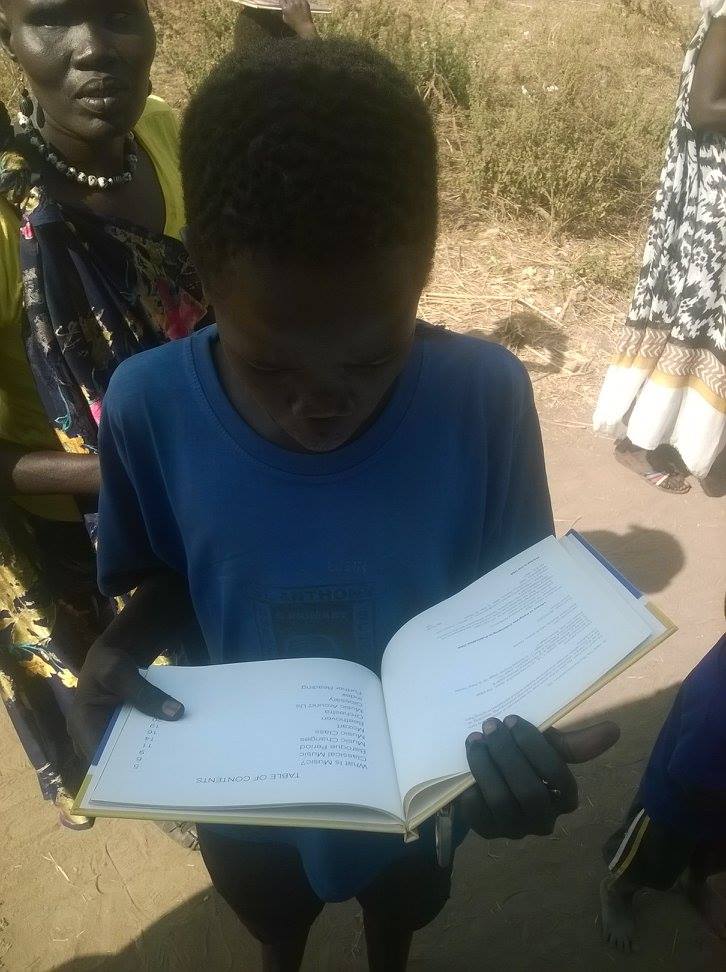
Children can learn how to think of others. They can learn how to empathize with generosity and loving-kindness. They can begin to learn, from a very young age, how to share, consider others, and become agents of change. They can take responsibility for their classroom climate and their relationships. An exploration of how we are all connected is essential. During Month of Love our littles gathered books to donate to libraries, reading corners, and homes for refugees of South Sudan. We can connect!
Love is found in our charitable perspectives.
My husband, The Builder, recently looked me in the eyes and encouraged, “If we could just remember that I am doing my best and you are doing your best, our hearts could soften.” It is the same in our learning communities. Our hearts can soften. We can communicate wholeheartedly with gentleness. We can learn to breathe deeply, listen mindfully, and cherish each other.
Recently, I struggled to understand someone very dear to me. I was struck by my own dark thoughts in a relationship very dear to me. I listened to my strong emotions of anger and hurt over the rejection I felt. I noticed them and explored them. And while I used those dark places as data, they weren’t direction. My choices were based on my values and how much I cherished the relationship. That isn’t inauthentic, it is forgiving, and it is still wholehearted, courageous, and vulnerable. Every dark feeling or thought doesn’t need to be expressed. We can be charitable in our community.
Love can breathe.
There isn’t a perfect human love. It ebbs and flows. Some days there is a fullness of love and sometimes only a distaste in our mouths. It is difficult to love disrespectful tweens or unruly children. Yet, as we wrestle with our feelings, we realize tomorrow is a new day, we are normal, and we will try again. Community has space for that process without judgement or condemnation. Our love must breathe, with the expansion and contraction, allowing for the process and the imperfection.
Our schools can have this type of love! We can cultivate the trust required and embody our beloved community.
For the sake of the children,
Karine
PS I hope you’ll join me for upcoming blogs on teaching our children to love to read in a series called, “Play for Literacy!” It will be practical and full of great resources. Subscribe to receive the Learn Forward Literacy planning pages for parents in our newsletter this month!