
Literacy learning, defined for our purposes as listening, speaking, reading, and writing, is a natural source of joy for young children! It is infused with play and delight. Our attitudes as parents and teachers either cultivate the delight or chip away at it.
Children naturally love to experience stories. When we draw them close and whisper a narrative or when we take up arms and our couches turn into pirate ships, children are alight with joy!
What if the entire purpose of early literacy learning is to infuse it with happiness?
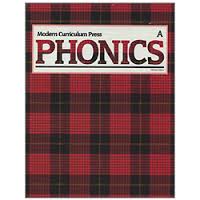
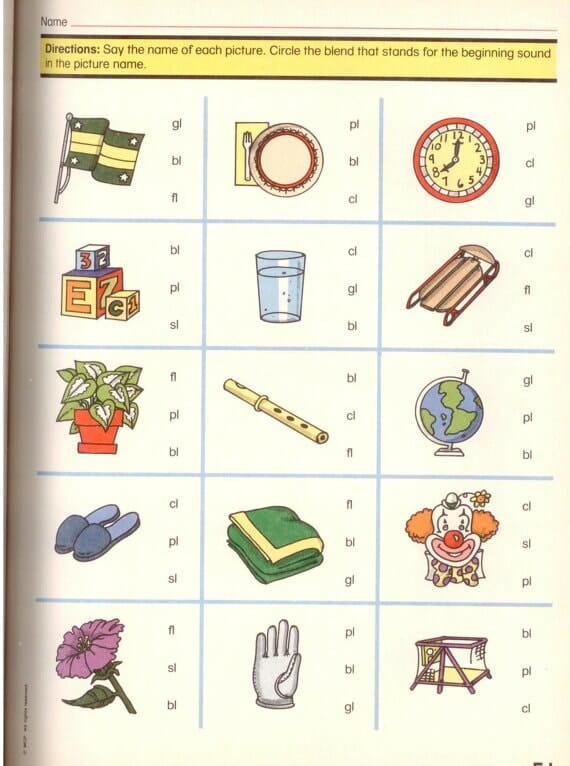
I am from the era of Curriculum Press Phonics Workbooks. Some of them were even “modern.” I remember them from Mrs. Carnine’s class in Grade 2 and they were still around when my teaching career began in 1995. There was no joy. It was an exercise of, “Is that a hoe?” and “Does it rhyme with boat?” and “Oh no! That is row.” Everyone did four pages each day.
Our thinking about literacy learning has transformed completely since then.
Here are some context principles for parents and teachers around how we can infuse playfulness into literacy learning in the early years!
Nurture with Tremendous Affection
Consider the way a mother tenderly holds her swollen belly before a baby is born. Consider first words and first steps. The first year is all infused with nurture and affection. Hold literacy learning with the same amount of cheer and delight. A child is taking tremendous risks, equal to learning to stand upright and take unsteady first steps. Some children take those first steps and run within a week. Others toddle and stumble shakily for much longer. We cheer for them both just the same. I should know, I had both children.
It is the same way for literacy learning. Telling a story from a recent experience, sharing a quiet moment with a bedtime book, or writing a love note for Grandma need to all be sheltered with a teacher or parent’s encouragement and affection. Some children will run soon after they learn the letters and others will toddle through the process at a completely different pace. It’s not a race; it’s a joy!
Follow the Child
When a child is learning to walk, the parent or teacher doesn’t rush ahead and expect them to keep up. The process is to gently stand by, with great proximity, and a generous smile. The same is for literacy learning. Our role is to design a literacy rich environment, with everything from letter magnets to high quality books and then be ready to encourage when the child is ready to step into the exploration.
Over the next few weeks, I will share a ton of practical design ideas for teachers and parents who are creating powerful literacy learning environments.

It All Begins with a Song and a Story
Everything in literacy learning is about cultivating imagination and delight. Captivating stories and sweet, simple songs cultivate delight. My mom knew that principle. So, despite my Curriculum Press experiences, I had spent hours on her lap reading from the Childcraft Children’s Series of books from Worldbook Encyclopedia. Of course, our choice of texts and songs and poems may be different today, but the principle stands the test of time.
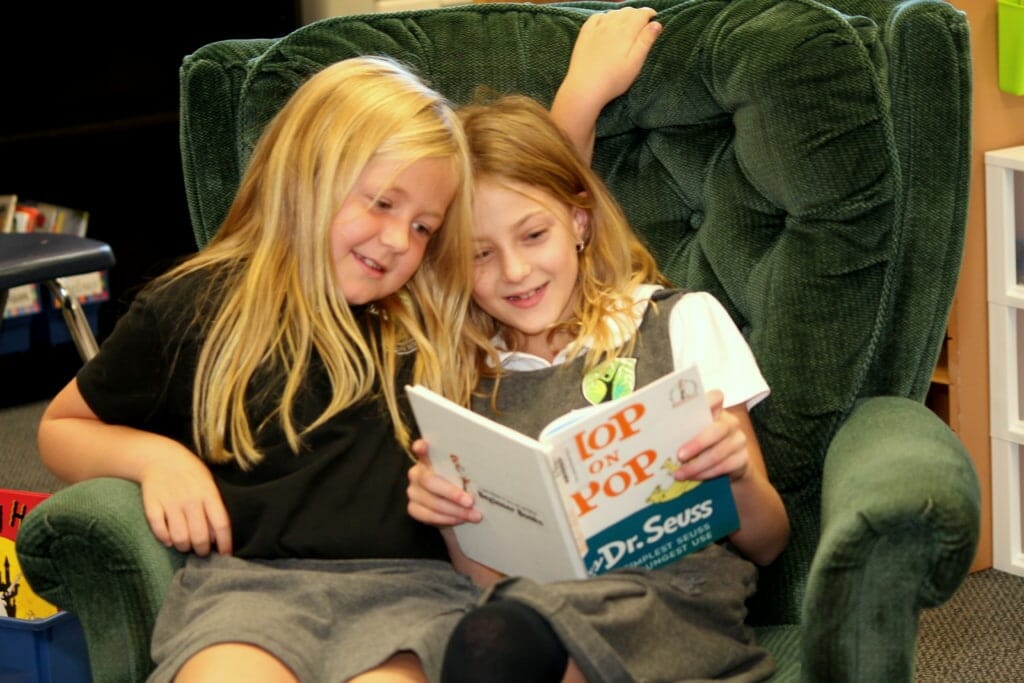
Playing with language with a nurturing adult cultivates the joy of the story.
Model the Way
It’s not enough for us to pile bedrooms high with toys and books. We must model the way of literacy learning. We can’t underestimate the power of family meals, story-telling, reflecting and reminiscing, reading for pleasure, and writing as powerful modes of sense-making and communication. If our children see us doing these activities, they will emulate our behaviours. Consider screen free times, when everyone chooses to engage in pleasurable literacy learning. If that isn’t part of your experience, explore it together. Start small.
If this feels overwhelming, stay tuned, we are going to discuss practical ideas in this blog series.
Concluding Thoughts…
The joy of the story is captured over years of simple and intentional literacy learning activities. Creative parents and teachers can design these activities for homes and classrooms infusing play and delight throughout.
How do you most naturally cultivate joy in the story in your home or classroom? When can you schedule that exploration this week?
For the sake of the children,
Karine